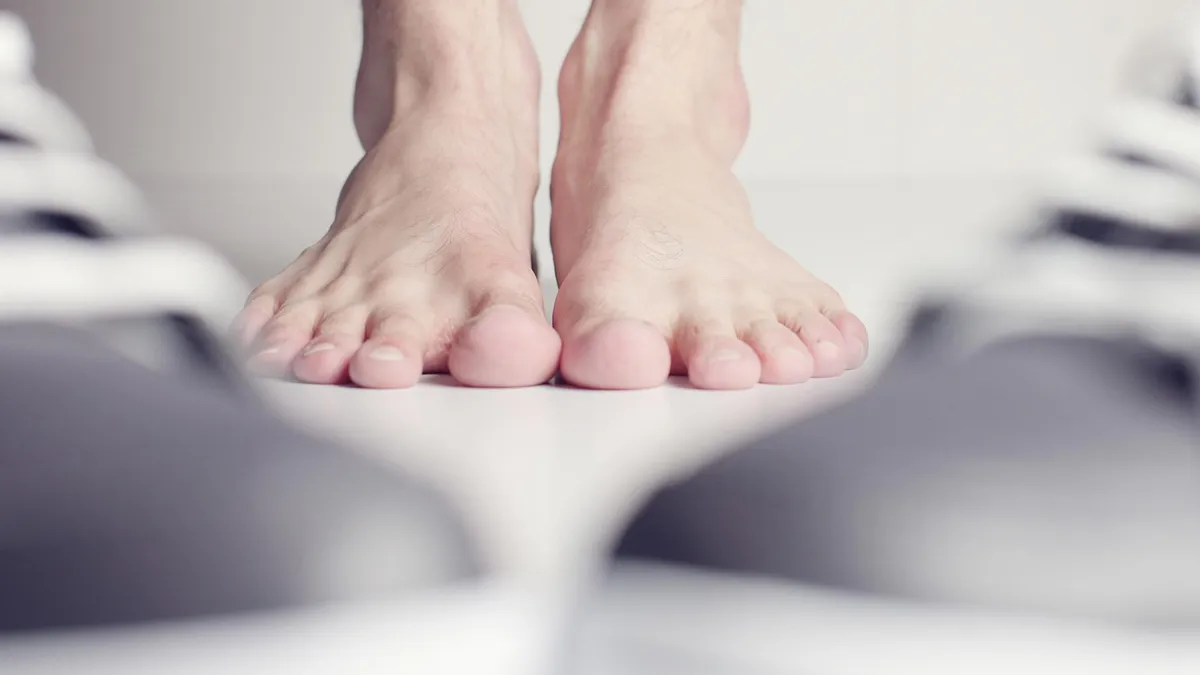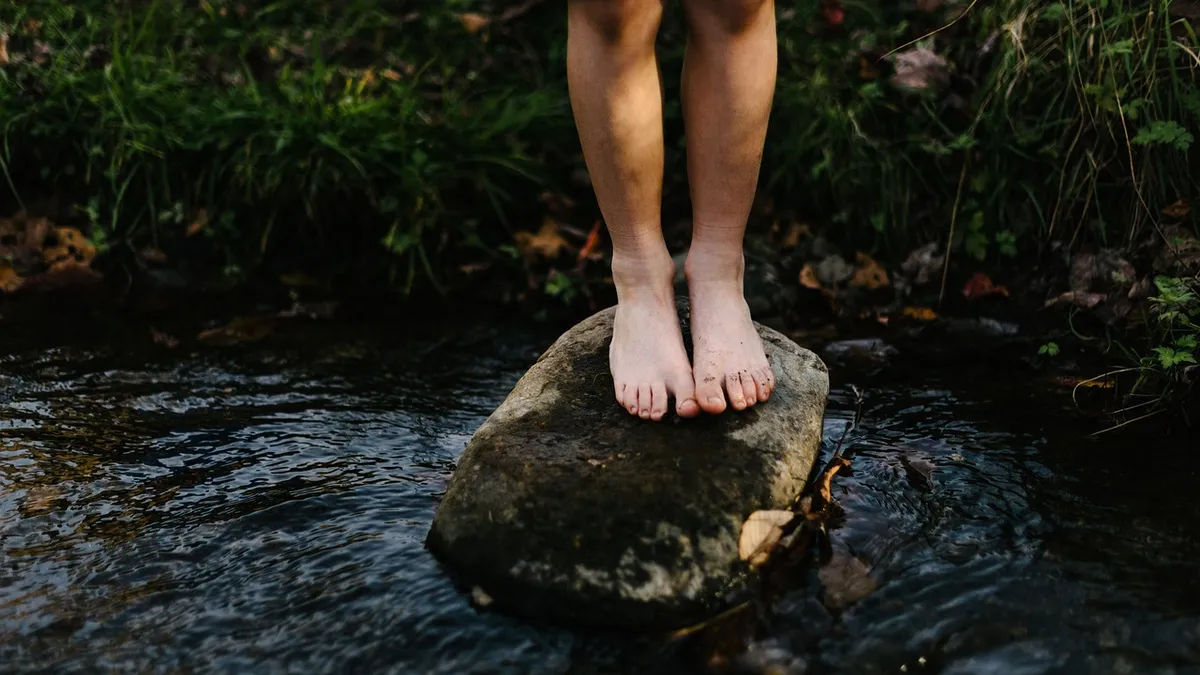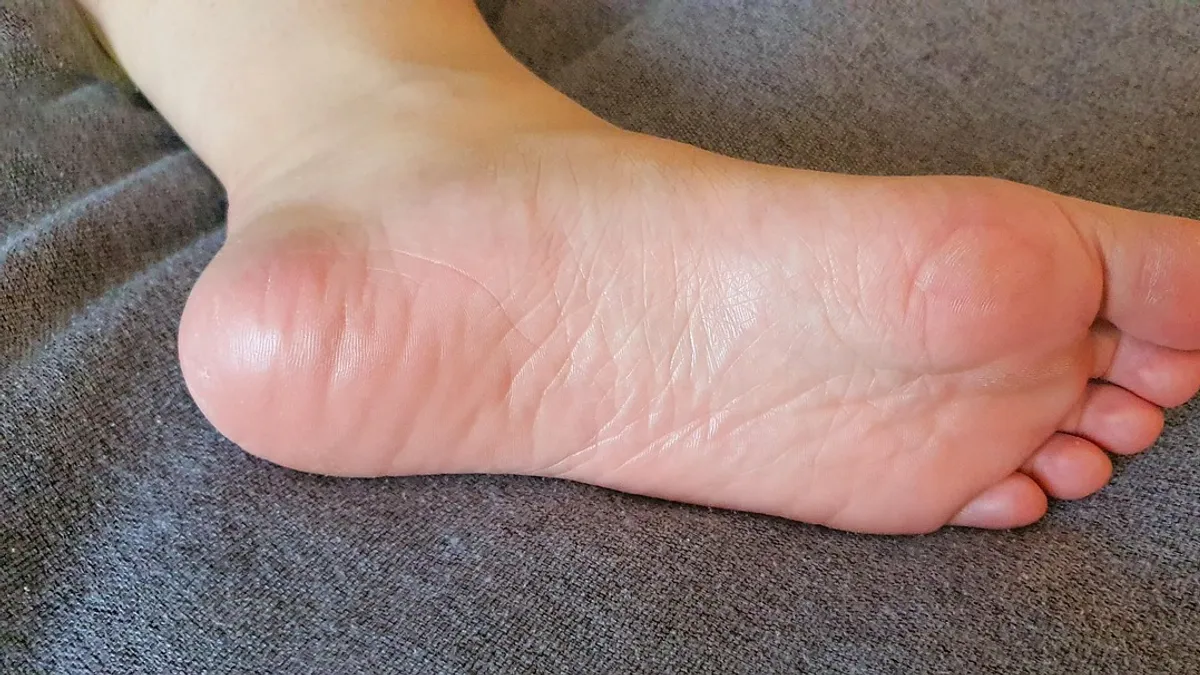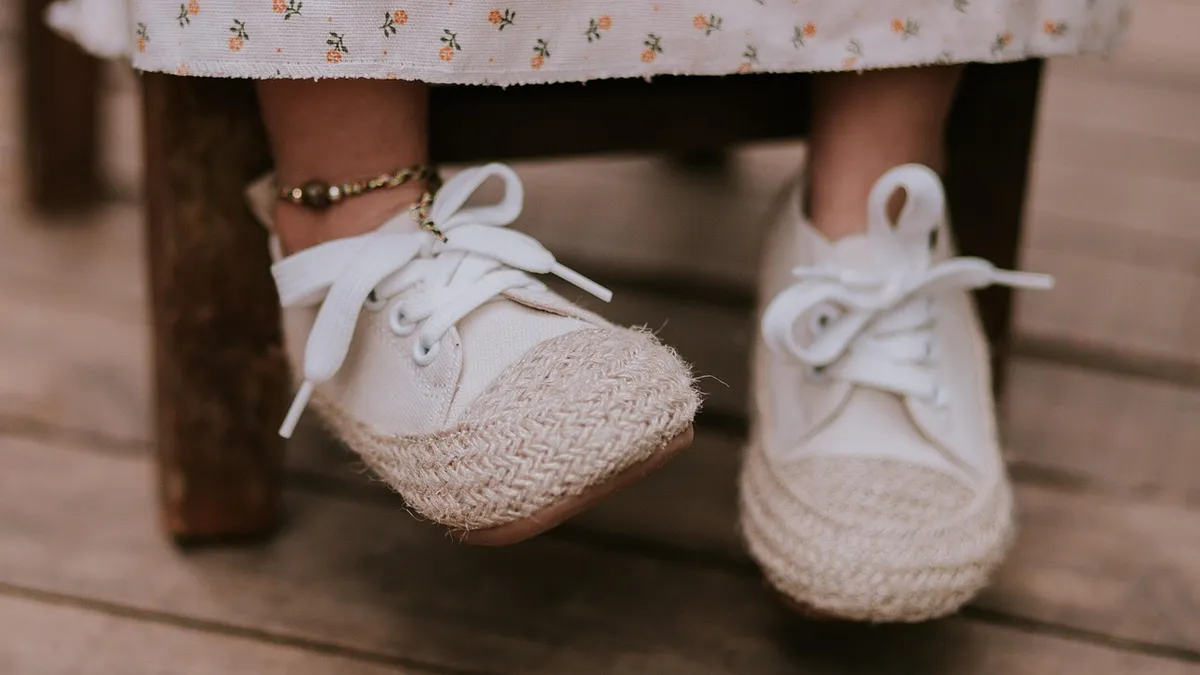
Barefoot shoes for kids are zero-drop, flexible-soled shoes with a wide anatomical toe box that let children’s feet move and strengthen naturally. For Malaysian parents, they prevent toe crowding and support healthy arch development during school and play, provided the upper breathes and drains well in our hot, humid tropical climate.
Key Takeaways
-
Prioritize zero-drop soles, full torsional flexibility, and a wide toe box to protect natural forefoot splay and plantar fascia mechanics.
-
Account for Asian foot anatomy by measuring forefoot width alongside length, especially given the high prevalence of flexible flat feet in Malaysian children.
-
Select fast-draining mesh uppers and removable insoles to prevent foot odor and waterlogging during sudden afternoon rain in Kuala Lumpur or Penang.
-
Compare real Malaysian landed costs before buying: local stock like Atlas Originals runs RM150–RM250, while international benchmarks range from Saguaro (RM84–RM237) to Vivobarefoot UK imports (RM560–RM1,020).
-
Measure feet in the late afternoon to account for tropical heat swelling, and apply code SUBIMPACT at Saguaro checkout for 10% off.
How Barefoot Shoes Support Developing Feet and Asian Foot Anatomy
A child’s shoe should act as a thin, protective skin rather than a rigid cast, allowing the plantar fascia, intrinsic foot muscles, and Achilles tendon to develop full strength under natural movement.
Children’s feet are largely cartilaginous in early childhood and remain structurally adaptable throughout primary school. Conventional kids’ sneakers and stiff school shoes frequently combine narrow, tapered toe boxes with raised, cushioned heels. While marketed as protective, those structural features alter how a growing foot loads weight and absorbs ground forces.
Forefoot Splay, Hallux Valgus Alignment, and Plantar Fascia Mechanics
Natural gait relies on unrestricted forefoot splay. When a child steps and pushes off, the toes should spread outward to create a stable base of support. A narrow toe box compresses the toes together, pushing the big toe inward and compromising hallux valgus alignment long before adulthood. Restricted big-toe alignment directly weakens balance and lateral agility on the playground.
Toe position also governs plantar fascia mechanics. As the heel lifts during walking or running, upward extension of the toes pulls the plantar fascia taut—a biomechanical action known as the windlass mechanism that stiffens the foot into a natural spring. Rigid soles block that bend, while raised heels keep the calf complex slightly shortened and reduce Achilles tendon elasticity over time. By keeping the heel and forefoot on a level zero-drop plane with a supple sole, barefoot footwear preserves full ankle range of motion and natural shock absorption.
Asian Forefoot Width and Flat Feet Prevalence in Malaysia
Many Malaysian children have a wide forefoot relative to heel width, forming a fan-shaped footprint that standard Western shoe lasts rarely accommodate. When parents buy narrow mainstream school shoes, they are often forced to size up by two full numbers just to prevent pinching across the metatarsals. Excess length causes tripping and forces kids to curl their toes to keep the shoe on.
Flexible flat feet are also highly prevalent among children across Malaysia. In most growing children, a low arch is not a structural defect requiring permanent rigid correction; it reflects soft tissue laxity and developing musculature. Thick arch-support inserts passively prop up the midfoot instead of letting intrinsic muscles carry the load. Walking and playing in thin, flexible shoes increases sensory feedback from the ground, prompting the foot’s small stabilizing muscles to fire and build active arch control.
Bearfoot Fit Check: Before letting your child wear any new shoe for a full school day, perform three quick tests—fold the sole easily toe-to-heel, twist it gently like a towel, and pull out the insole so your child can stand on it barefoot to confirm zero toe overhang.
Malaysian Barefoot Shoe Comparison and Real Landed Costs
With the USD-to-MYR exchange rate at 4.0915, Malaysian parents can outfit their families in minimalist footwear between RM84 and RM250 through local stock and direct shipping, avoiding the RM560-plus import premiums of European brands.
Shopping for minimalist footwear in Malaysia requires looking beyond sticker prices in US dollars or British pounds. Import duties, Sales and Service Tax (SST), and international shipping substantially widen the price gap between entry-level direct brands, local Malaysian stock, and imported European labels. Because primary school children often outgrow a pair every four to six months—and older tweens or teens frequently cross into small adult sizing (EU 36 and up)—understanding these verified Malaysian price benchmarks helps parents budget realistically.
  Brand & Benchmark Models
  Verified Malaysian Price (MYR at 4.0915)
  Availability & Landed Cost Notes
  Best Fit for Malaysian Families


  **Saguaro** (Women Touch 4; Bestsellers: Women Smart 2, Men Vitality 3, Luck 1)
  RM84 (sale) to RM113 (Touch 4); RM221 to RM237 (Bestsellers)
  Direct online ordering; 10% off at checkout with code **SUBIMPACT**
  Budget-conscious families, water-friendly play, and EU 36+ youth/teen sizing


  **Atlas Originals**
  RM150–RM250
  Local Malaysian stock; fast domestic shipping without import surprises
  Parents wanting quick local delivery and straightforward size exchanges


  **Xero Shoes**
  RM380–RM660
  International conversion and shipping apply
  Durable outdoor play, trail walks, and school-friendly dark colorways


  **Vivobarefoot**
  RM560–RM1,020
  UK import pricing plus SST
  Longer-term wear for teens whose foot size has mostly stabilized
For fast-growing children, cost-per-wear matters as much as durability. Paying RM560 to RM1,020 for a Vivobarefoot import makes practical sense mainly when shoes can be passed down across two or three siblings, or when a teenager’s foot growth has slowed. Conversely, local options like Atlas Originals at RM150–RM250 eliminate import waiting times, while Saguaro benchmarks—from the RM84 sale tier on the Touch 4 up to RM221–RM237 for bestselling lines like the Smart 2, Vitality 3, and Luck 1—give families and older kids with EU 36+ feet an accessible entry point, especially with the 10% Bearfoot Malaysia discount code SUBIMPACT.
Tropical Weather Guide and Safe Transition for Malaysian Kids
In Malaysia’s hot, humid climate, the best barefoot shoe for kids combines a fast-draining upper, removable insole, and 3–5mm thermal-protective rubber outsole to handle sudden afternoon downpours and scorching urban pavement.
Footwear designed for dry, temperate countries frequently fails in Peninsular Malaysia, Sabah, and Sarawak. Thick suede panels, glued foam footbeds, and dense canvas uppers trap sweat and take days to dry once soaked by a 4:00 PM thunderstorm. Choosing climate-smart construction keeps children comfortable and prevents skin irritation.
Handling Humidity, Afternoon Rain, and Hot Pavement
-
Thermal protection on hot urban ground: Midday asphalt, concrete drains, and playground surfaces in Kuala Lumpur and Penang absorb intense heat. A 3mm to 5mm lugged rubber outsole protects tender soles from surface burns while remaining thin enough for sensory ground feel.
-
Drainage and foot odor prevention: High relative humidity turns damp shoes into odor traps overnight. Prioritize open-weave mesh uppers, quick-dry synthetic linings, and removable flat insoles that you can pull out after school so air circulates under a ceiling fan.
-
Two-pair rotation during monsoon periods: Rotating between two breathable pairs gives each shoe a full 24 hours to dry completely after sudden afternoon rain, preventing fungal buildup and damp-sock friction.
-
Sizing up for tropical heat swelling: Children’s feet expand slightly in length and forefoot width after walking in 32°C–35°C heat. Always measure your child’s standing foot length in the late afternoon, and choose a size with 10mm to 12mm of extra space in front of the longest toe so heat swelling never jams the toes forward.
School Uniform Rules and Transition Protocol
Malaysian national schools (SK and SMK) typically enforce strict all-black or all-white footwear policies with matching socks. When shopping for school-compliant barefoot models, check that both the upper and outsole sidewall meet your school’s color rule and feature non-marking rubber for indoor assembly halls.
Although children adapt far faster than adults, a student moving from thick, heeled sneakers into minimalist shoes still benefits from a paced transition. Start with one to two hours of barefoot shoe wear daily at home, around the neighborhood, or at weekend parks, then gradually extend to full school days over three to four weeks. Mild calf tiredness during the first week is normal as Achilles tendon elasticity and lower-leg muscles adapt. If your child reports sharp heel or arch soreness, reduce wear time for a few days and check that the shoe is neither too narrow across the forefoot nor too short in length.
Frequently Asked Questions
Can kids with flat feet wear barefoot shoes safely?
Yes. Flexible flat feet are common in Malaysian children and usually improve as intrinsic foot muscles strengthen. Barefoot shoes with a wide toe box and flexible sole stimulate plantar fascia mechanics and natural arch engagement, whereas rigid arch supports keep foot muscles passive and underworked.
How do I stop my child’s barefoot shoes from smelling in Malaysian humidity?
Choose quick-drying mesh uppers without thick foam padding, remove the insoles after school or sudden afternoon rain, and air-dry the shoes under a fan overnight. Rotating two pairs and wearing breathable socks prevents trapped sweat and bacterial odor in humid weather.
What is the most affordable way to buy barefoot shoes in Malaysia?
Local stock like Atlas Originals costs RM150–RM250 without import delays, while Saguaro benchmarks range from RM84 (Women Touch 4 sale) to RM237 for bestsellers, with 10% off using code SUBIMPACT. Avoiding RM560–RM1,020 imports saves money while kids grow quickly.