Flat feet — arches that flatten when you stand — are common in Malaysia. The short answer: barefoot shoes can help some flat feet by strengthening the muscles that hold your arch up, but they are not a cure and not right for every foot. The key distinction is flexible versus rigid, and no brand can honestly promise to “fix” your arch.
Key Takeaways
- Flexible flat feet (arch flattens standing, reappears sitting) most likely benefit from barefoot shoes and foot-strengthening work; rigid or painful flat feet are a medical question first.
- The evidence for arch-support shoes correcting flat feet is weak — the strongest documented effects are in foot muscle training, which barefoot shoes demand more of.
- Barefoot shoes are not arch supports. They are flat by design: zero drop, wide toe box, thin sole. If your podiatrist prescribes support, keep wearing it and discuss a plan.
- Transition matters more than the shoe: coming from cushioned, moulded shoes, ramp in over 4-8 weeks starting with 1-2 hour sessions.
- Real catalog prices: the cheapest pair in the 110-product catalog is the Women Touch 4 at RM83; bestsellers run RM173.
First, what “flat feet” actually means
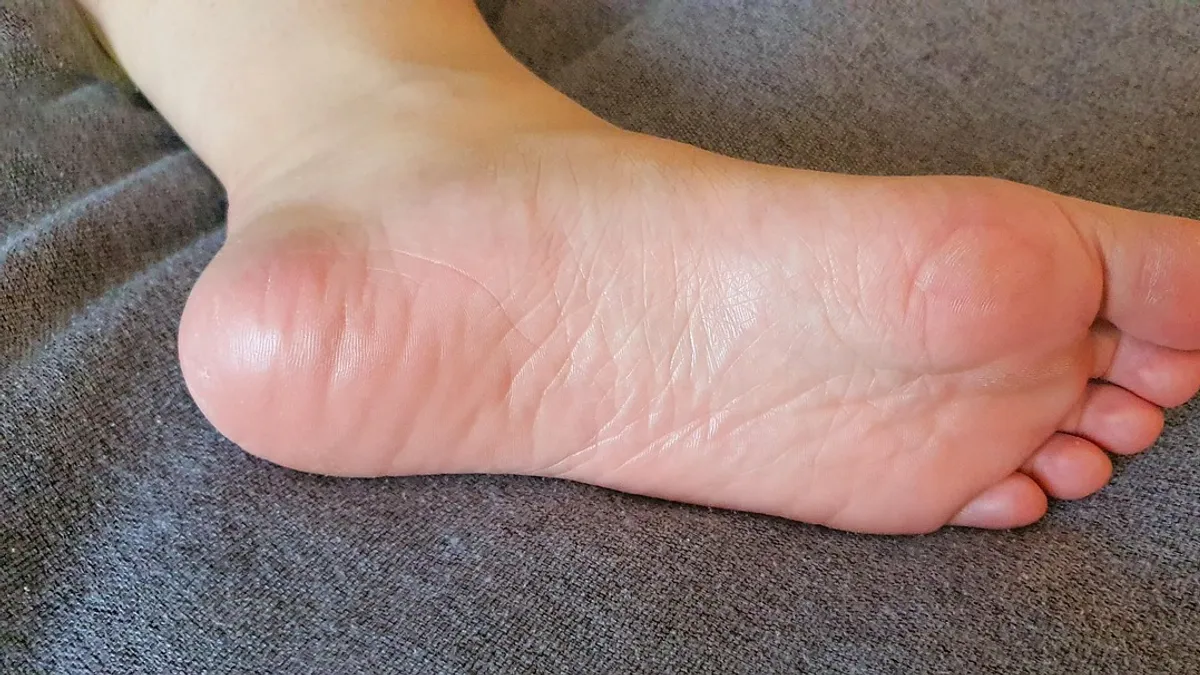
Flat feet (pes planus) is a foot shape: the medial arch — the curve along the inside of your foot — is low or absent when you stand. In Malaysia it’s common enough that it usually draws no comment unless it hurts. The important question is what kind:
- Flexible flat feet: your arch disappears when you bear weight and reappears when you sit or stand on tiptoe. Most common, often painless, runs in families.
- Rigid flat feet: the arch is flat in every position, whether or not you’re standing. Less common, worth a professional look.
- Fallen arch (adult-acquired): an arch that used to be visible and has collapsed, especially on one side only. If this describes you — particularly with pain behind the inside ankle — that’s a red flag for posterior tibial tendon issues. See a doctor before buying anything.
Flexible flat feet are largely a muscle and posture story — the bones connect normally, but the soft tissues aren’t holding the arch up under load. Rigid flat feet and fallen arches can involve joint structure or tendon damage, which no shoe can reverse.
What the science actually says
A lot of what you read on this topic is marketing dressed as science. What is fairly well supported: foot muscles respond to training — exercises like toe splay, short foot and towel scrunches increase foot muscle strength over weeks to months, which matters because your arch is held up partly by muscles. Shoe features also change how your foot works: a narrow toe box squeezes the forefoot, a raised heel shifts load forward, while barefoot-style shoes remove those constraints. Some trials found minimalist shoes reduce pain in painful flat feet — though study quality is mixed and results vary.
What is NOT supported: that a shoe brand can “cure” flat feet or permanently rebuild an arch — arch height is partly genetic, partly structural, partly muscular, and shoes change the muscular part at best. Nor that arch-support orthotics “correct” flat feet: they reduce pain short-term, but the idea that a moulded arch permanently fixes a flat foot has very weak support — the uncomfortable truth for the RM100-300 insoles sold at KL mall kiosks.
How barefoot shoes change the load on your arch
Your arch is not a rigid bridge; it’s a spring. In a shoe with moulded arch support and thick heel, the arch doesn’t have to do much springing — the shoe does it. The small intrinsic muscles of your foot get less work, like a muscle in a cast, and weaken.
A barefoot shoe doesn’t give you a stronger arch by magic — it gives the muscles the opportunity to work, because every step requires your foot to stabilize itself. Hence the advice: buy a wide, flat shoe, start foot exercises, and ramp in gradually.
The wide toe box matters for flat feet too
Flat feet and bunions often travel together, because a flattened arch tends to roll the big toe inward, and a narrow toe box squeezes the forefoot further. A wide toe box — the defining feature of the wide toe box explainer — lets your toes splay so your big toe stays straighter.
Flexible flat feet: the practical plan
If your flat feet are flexible and painless, here’s a realistic plan.
Step 1: Start with foot exercises before (or alongside) the shoes
The most evidence-backed thing you can do is train the foot muscles directly. The toe splay and foot strength guide has the full routine; the core movements are toe splay, short foot, towel scrunches, and calf raises. Ten minutes a day, barefoot, on a hard floor — the studies that found foot-muscle changes used roughly this program over 8-12 weeks.
Step 2: Choose the right shoe — and it’s not “arch support”
The shoe question for flexible flat feet: prop the arch up, or train it? Both are legitimate, but different goals.
- Prop it up: cushioned shoes with moulded arch support feel good immediately. The downside is the muscles stay underworked, and the effect only lasts while you wear the shoes.
- Train it: a zero-drop, wide-toe-box shoe lets the arch work. The downside is a transition period — your feet and calves will feel it for the first few weeks.
Barefoot shoes are firmly in the “train it” camp, and they’re the cheap way to test the hypothesis: the shop carries 110 products, with the cheapest pair the Women Touch 4 at RM83 — a low-risk experiment next to RM300+ orthotic sneakers.
Step 3: Transition like it matters — because it does
Coming from cushioned, moulded shoes, flat-footed walkers start from a bigger gap than most. The flat-feet version of the full transition protocol:
- Weeks 1-2: 1-2 hours per session, 3-4 days a week. Flat indoor walking — home, mall, LRT — not a hike.
- Weeks 3-4: half days. Commute in them, switch back in the evening.
- Weeks 5-8: full days, still swapping for sports or long treks.
- Month 3+: full-time if it feels right.
Expect calf tightness and foot fatigue — the muscles waking up. Sharp, localised pain means step back.
When NOT to go barefoot (the honest part)
Barefoot shoes are not for every flat foot. See a specialist if:
- Your arch is painful, especially under the arch or behind the inside ankle.
- The flattening collapsed suddenly or only on one side.
- You have numbness, tingling, or burning, a diagnosed condition like posterior tibial tendonitis, or you’re recovering from foot surgery.
- You have rigid flat feet — the arch never appears, even on tiptoe.
For those cases, the answer is a professional assessment — not a shoe purchase. The plantar fasciitis guide makes the same point for heel pain.
What it costs in Malaysia right now
All prices are from the live catalog, checked 2026-08-27 at an FX rate of RM4.03/USD:
| Model | Category | Live MYR price |
|---|---|---|
| Women Touch 4 (on sale) | Women | RM83 |
| Forestep 1 (on sale) | Men | RM128 |
| Kid Dive 3 (on sale) | Kids | RM144 |
| Breeze 1 (on sale) | Men | RM165 |
| Men Vitality 3 (bestseller) | Men | RM173 |
| Luck 1 (bestseller) | Men | RM173 |
| Kid Vitality 3 (bestseller) | Kids | RM202 |
| Women Smart 2 (bestseller) | Women | RM218 |
That’s the full range of the experiment: RM83 to RM218 for the bestsellers — cheaper than the RM250-500 arch-support sneakers from mainstream sports brands in KL malls. Imported brands like Vivobarefoot or Xero add RM100-300 in landed costs — see the import cost calculator.
The accessory layer
For cold air-conditioned offices (a real KL complaint) or extra toe mobility, the catalog has cheap adjuncts: Toe Socks at RM70, Toe Spacer at RM95, and Shoes Insoles at RM29 — though the insoles are flat, not arch-moulded.
The bottom line
Flat feet are a shape; whether they’re a problem depends on pain and function. For flexible, painless flat feet, strong, mobile feet beat propped-up feet — and barefoot shoes are the cheapest way to let your foot muscles do their job, from RM83 in the current catalog. For rigid, painful or suddenly collapsed arches, start with a clinician, not a checkout cart.
If you decide to test the hypothesis, use code SUBIMPACT at saguaro.com checkout for 10% off (every product link here carries our ?ref=subimpact affiliate tag — that’s how the guide stays free). The Men Vitality 3 at RM173 and Women Smart 2 at RM218 are the bestsellers to start.
FAQ
Are barefoot shoes good for flat feet?
For flexible flat feet — arches that flatten when you stand but reappear when you sit — barefoot shoes can help by letting the small muscles of your foot do their own work instead of resting on a moulded arch. The evidence for arch support correcting flat feet is weak, and barefoot shoes demand exactly the foot-muscle work that exercise studies show strengthens the arch. For rigid or painful flat feet, see a podiatrist before switching.
Do barefoot shoes fix fallen arches?
Nobody can promise that. Foot muscle strength can increase with targeted exercise, and a wide toe box with a zero-drop sole gives your foot room to work, but arch shape is partly genetic and partly structural. The honest framing is “stronger feet, possibly a better-looking arch” — not “guaranteed correction”. Sudden collapse or sharp pain is a medical question, not a shoe question.
Should I keep wearing arch support insoles inside barefoot shoes?
That depends on why you wear them. If a podiatrist recommends arch supports for a diagnosed condition, keep wearing them while you discuss a plan. If you wear them because your shoes are unsupportive, the more direct fix is a shoe with a wide toe box and zero drop, so your foot sits flat instead of being propped. Saguaro’s own insoles (RM29 in the live catalog) are flat, not arch-moulded — for warmth and a little cushioning, not support.
When should flat feet see a doctor instead of buying shoes?
See a podiatrist or orthopaedic specialist if your arch is painful, has collapsed suddenly on one side only, or comes with numbness or tingling, or if you have a condition like posterior tibial tendonitis. Pain is the dividing line: painless flat feet are usually just a foot shape; painful flat feet are a clinical question.