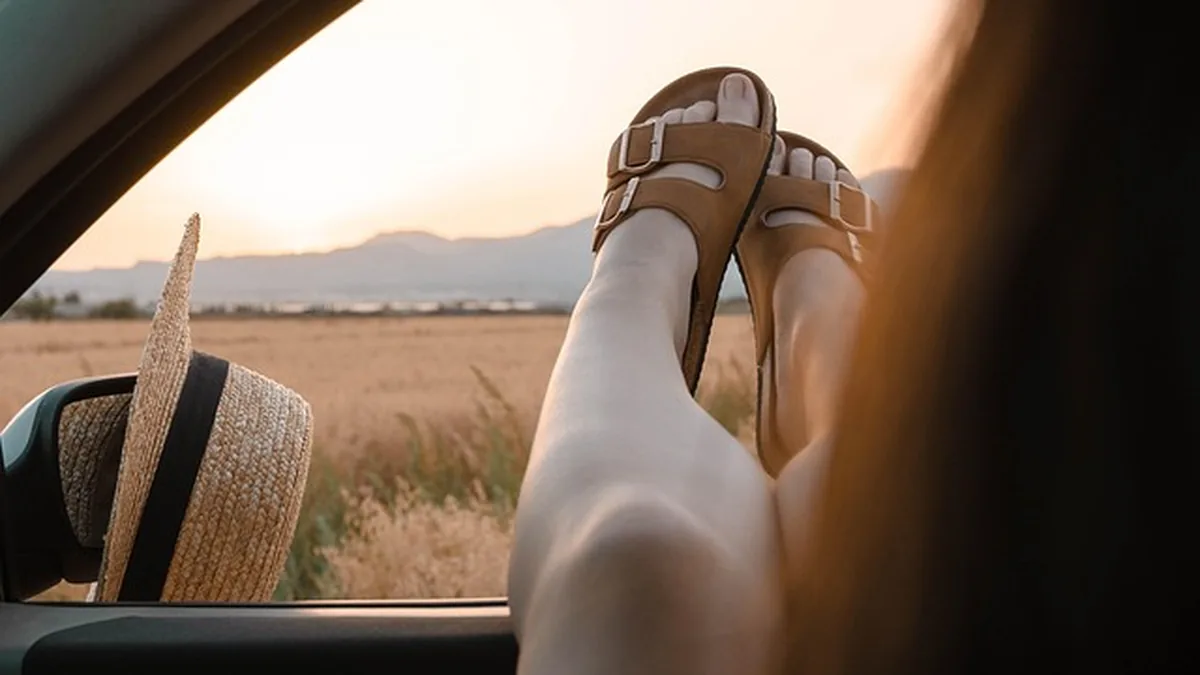
Barefoot sandals give Malaysians the two features that matter — zero drop and a wide toe box — with even more airflow than a barefoot shoe, and the live catalog now has four of them: the Nudo I, Nudo II, Glow I and Glow II, priced between RM189 and RM235. The honest answer to “sandals or shoes?” is that most Malaysians should own at least one of each: sandals for the nine hot, dry hours of the day, shoes for the rain, the dust and the places that expect closed footwear.
Key Takeaways
- Barefoot sandals are zero-drop and wide-toe-box by design — they keep the two features that make barefoot shoes work, minus the upper.
- The live catalog has four Saguaro sandals, all new arrivals: Glow II at RM189 is the cheapest, then Nudo I at RM230, Nudo II at RM235, and Glow I at RM235 — all men’s models.
- Sandals beat shoes for heat: more airflow, less material, nothing to soak through when you’re not actually in rain.
- Sandals lose to shoes on protection: puddles, dust, kicked stones and crowded pavements are all direct hits to bare skin.
- Malaysians already live half-barefoot — tile floors, sandals at home, mamak sessions — so a barefoot sandal is a smaller transition step than a barefoot shoe.
- The SUBIMPACT coupon works on sandals too: 10% off at saguaro.com checkout.
What a Barefoot Sandal Actually Is
Strip a barefoot shoe down to its floor and you get a barefoot sandal: a thin, flat, flexible sole (zero drop — the heel and forefoot sit at the same height), a toe box shaped like a real foot rather than a point, and straps that hold the sole to your foot instead of an enclosed upper.
That’s it. There is no arch support, no cushioning tower, no raised heel — the same honest geometry as the rest of the barefoot catalog, just with less material around it.
Malaysians already know this shape well: we grew up in sandals, slippers and bare feet on tile floors. The difference between a cheap rubber slipper and a barefoot sandal is the same as the difference between any conventional shoe and a barefoot shoe — the sole is flat, thin and flexible, and the toe box lets your toes spread instead of clamping them.
Why Sandals Make Sense in Malaysia
Malaysia’s climate is the sandal’s home turf. The weather guide exists because heat and humidity dictate footwear choices here, and sandals sidestep most of those problems:
- Heat. 30-35°C days with 80-90% humidity punish enclosed footwear. A sandal has a fraction of the surface area, so your foot actually cools.
- Rain — the catch. The monsoon downside is obvious: open feet get soaked instantly. But notice the important detail — in a downpour, so does a thin mesh barefoot shoe. The humidity care guide explains that thin, unlined uppers soak through in seconds anyway. The real advantage of shoes in rain is not staying dry — almost nothing does — but stopping grit and mud from hitting skin.
- Indoor-outdoor living. Malaysian life shuffles constantly between house, car, shop, mosque, mamak and office. Sandals are the culturally frictionless option at the door, and a barefoot sandal does this without wrecking the foot work your transition is supposed to build.
- Long seated stretches. Office days, study sessions, mamak nights: when your shoes come off under the desk or the table, a sandal keeps your foot on a flat, wide platform rather than letting it rest against a heel lift.
The Live Lineup: Nudo vs Glow
All four sandals in the catalog are flagged as new arrivals and listed under men’s. Their core specs are the same — zero-drop sole, wide toe box, barefoot geometry — so the real differences are styling, generation and price. Prices below are the live MYR figures, last checked 30 August 2026:
| Model | Type | Price (MYR) |
|---|---|---|
| Glow I — Barefoot Sandals | New arrival | RM235 |
| Glow II — Barefoot Sandals | New arrival | RM189 |
| Nudo I — Barefoot Sandals | New arrival | RM230 |
| Nudo II — Barefoot Sandals | New arrival | RM235 |
The most interesting number is the Glow II at RM189 — it undercuts most of the closed barefoot shoe range (which runs from RM83 for the Women Touch 4 up past RM370 for top-tier models) while delivering the same zero-drop, wide-toe-box foundation. The Nudo I and Nudo II sit at RM230 and RM235, and the Glow I matches the Nudo II at RM235.
Because none of the four differ on the specs that matter for foot health, the pick between them comes down to what the photos show on the product pages: which strap layout holds your foot most securely and which looks right to you. What we won’t do is pretend we have measured sole thickness or strap materials — the catalog doesn’t publish those, and neither will we. If you want the ground feel for yourself, use the SUBIMPACT coupon for 10% off at saguaro.com and find out firsthand.
The one honest caveat: these are all men’s models right now. The women’s section of the catalog currently contains closed shoes only, so if you’re shopping for a woman’s wide-toe-box sandal, the closest live options remain the women’s barefoot shoes or a toe-spacer-equipped pair from the brand directory.
Barefoot Sandals vs Barefoot Shoes: When Each Wins
| Situation | Better choice | Why |
|---|---|---|
| Hot, dry day, town errands | Sandal | Max airflow, zero soak-through risk |
| Monsoon downpour | Shoe | Grit, mud and debris stay off skin |
| Dusty or gravel ground | Shoe | An upper catches what a strap can’t |
| Crowded train or bus | Shoe | Feet get stepped on; a sandal offers no shield |
| Beach, poolside, water activities | Sandal | Dries in minutes, drains instantly |
| Mosque or home entry | Sandal | Slipping on and off is the point |
| Office / formal settings | Shoe | Expectation, not physiology, wins here |
| Jungle trails | Shoe | The trail guide says it plainly: minimal shoes have limits |
| Long desk or mamak session | Sandal | Feet stay flat and free while you sit |
That last row deserves emphasis. A lot of Malaysian “foot time” is sedentary — and a barefoot shoe worn sitting down does very little (the upper does its work, but a raised heel keeps tension off the calf even at rest). A sandal removes the heel lift entirely, so even the hours you spend seated are doing zero-drop work.
Sizing and Fit Notes
Sandals ask for a slightly different fit than closed shoes, so don’t blindly re-order your normal size. Two rules from the site’s sizing guide apply especially hard here:
- Fit the widest part of your foot, not the heel. Because there’s no upper to hold the back of your foot, a sandal that’s too long lets your foot slide forward with every step — the classic cause of toe-jamming and strap rub. Your toes should never touch or overhang the front edge.
- Adjust straps to the midfoot. The straps need to hold your foot snugly enough that the sole stays planted, while leaving the toe area completely free. If you have to keep tightening to stop the sandal from swinging, it’s too long — size down.
And because Malaysian feet swell later in the day in this climate, try them on in the afternoon, when your feet are at their largest.
Why Sandals Are a Smart Transition Tool
For someone new to barefoot footwear, sandals can be gentler than shoes for one reason: the lack of an upper. The transition timeline post makes the point that the hard parts of transitioning are calf and Achilles loading — and a flat sandal loads exactly the same muscles — but the foot inside a sandal can splay completely freely, which is the adaptation most beginners find hardest. You also automatically rotate more slowly: nobody wears sandals on every outing, so your feet get short, honest doses rather than an all-day immersion you haven’t earned yet.
The classic beginner mistake is the opposite one: treating sandals as “the easy mode” and then wearing them exclusively for a 10-hour day. Zero drop is zero drop — your calves don’t care whether the flat sole has straps or an upper. Ramp up the same way you would with shoes: a few hours a day first, and let the 30-day mindset from the foot-strength posts pace you.
The Honest Verdict
Buy a barefoot sandal if you live in Malaysia’s warmth, spend more of your day outdoors on dry ground than in rain, and want the cheapest honest way to give your feet zero-drop wide-toe-box time. At RM189-235, a sandal is one of the lowest-cost entries into barefoot footwear on the shop — cheaper than most closed models, with no import-cost surprises since Saguaro ships from within the region.
Skip the sandal (and buy a barefoot shoe instead) if your days are dominated by rain, dust, crowds, or closed-footwear dress codes. And if you only buy one thing, buy the shoe — it covers more situations. But for most Malaysians, the real answer to “sandals vs shoes” is: both, in rotation, exactly like you already live.
FAQ
Are barefoot sandals as good as barefoot shoes?
Barefoot sandals give you the two features that matter most — zero drop and a wide toe box — with even more airflow and less material than a barefoot shoe. What they don’t give you is protection: no upper means wet roads, kicked stones and debris hit your feet directly, and there is nothing to shield you in rain or on rough ground. For dry, warm Malaysian days they are a real barefoot option; for monsoon mornings or trail walks, a shoe is still the better call.
How much do Saguaro barefoot sandals cost in Malaysia?
From the live catalog, the Saguaro barefoot sandals are priced at RM189 for the Glow II, RM230 for the Nudo I, RM235 for the Nudo II, and RM235 for the Glow I. All four are men’s models listed as new arrivals, and prices were checked on 30 August 2026.
Will barefoot sandals help my toes spread?
Yes — and in some ways better than shoes. With no upper pressing down on your foot, there is nothing to squeeze the toes together, so toe splay happens naturally with every step and even while standing. The trade-off is that the straps must be adjusted snugly enough to hold your foot stable so your toes are free to spread without the sandal sliding.
When should I choose barefoot shoes over barefoot sandals?
Choose shoes when you need protection: heavy rain, dusty or muddy ground, crowded streets where feet get stepped on, work environments that expect closed footwear, and anything involving rough terrain. Choose sandals for hot, dry days, indoor-outdoor living, quick errands, beach or poolside use, and long sedentary stretches like mamak sessions or office days where your shoes are off anyway.