A barefoot shoe differs from a conventional cushioned sneaker in four measurable ways: no heel-to-toe drop, a thin flexible sole instead of a thick foam midsole, a toe box shaped like a foot instead of tapered to a point, and no built-in arch support or stiff shank. Everything else — upper, laces, outsole rubber, styling — is the same object built the same way. Those four differences change how much of the ground you feel, how much your foot can move inside the shoe, and where your weight sits when you stand still.
What they don’t do is settle an argument. Whether one design is healthier is genuinely contested, and this article won’t pretend otherwise. What follows is what’s physically different, and what each difference plausibly changes.
The four differences, side by side
| Feature | Conventional cushioned sneaker | Barefoot / minimal shoe | What it plausibly changes |
|---|---|---|---|
| Heel-to-toe drop | Commonly 8–12mm; heel sits higher than forefoot | 0mm; heel and forefoot level | Standing posture, calf and Achilles length demand, foot strike tendency |
| Sole stack and flexibility | Thick foam midsole, resists bending and twisting | Thin sole that bends and twists in your hands | How much you feel the ground, and whether the shoe or your leg absorbs impact |
| Toe box shape | Narrows to a point ahead of the ball of the foot | Widest at the toes, foot-shaped | Whether your toes can spread under load |
| Arch support / shank | Contoured footbed, often a stiff shank or plate | Flat removable insole, no shank | Whether the arch is held in shape or has to hold itself |
Note the fourth column says plausibly. These are mechanical consequences, not health outcomes. The gap between those two is where most barefoot marketing goes wrong.
1. Heel-to-toe drop
Drop is the height difference between where your heel sits and where the ball of your foot sits. Most running shoes and casual sneakers put the heel somewhere around 8–12mm higher. A barefoot shoe puts them level.
Raising the heel tips your weight forward and shortens the distance your calf and Achilles have to cover. The usual explanation is that the tissue settles into that shorter working range over years, which would account for why people who switch abruptly to flat shoes report sore calves rather than sore feet. That soreness is a common reason people quit early, and it’s covered in common transition mistakes.
The mechanics are in understanding zero drop shoes, so we won’t repeat them. One thing worth adding: zero drop and minimal are not the same spec. Plenty of shoes are zero drop with a thick, stiff sole.
2. Stack height and sole flexibility
Stack height is how much material sits between your foot and the ground. It’s the difference you notice first.
A conventional sneaker has a foam midsole that compresses under load and springs back. A barefoot shoe has a few millimetres of rubber and a thin insole, and that’s it. The range within “minimal” is still wide — a lugged trail sole puts noticeably more material under you than a flat road sole — so the label alone tells you very little. Compare stack heights in millimetres where a brand publishes them, and treat the brands that don’t as unmeasured.
Two tests tell you what you’ve got:
- The bend test. Hold the shoe at heel and toe and curl it. A minimal shoe folds; a conventional sneaker hinges at one point or resists.
- The twist test. Wring it like a towel. A minimal shoe twists along its whole length.
What the thin sole actually does
It moves force and information around rather than eliminating either. With less foam under you, more of the ground’s texture reaches your foot, and more of the impact is handled by your ankle, calf and foot placement instead of by compressing material. That’s a trade, not an upgrade. Some people land more softly; some find their feet ache on tile floors and give up.
3. Toe box shape
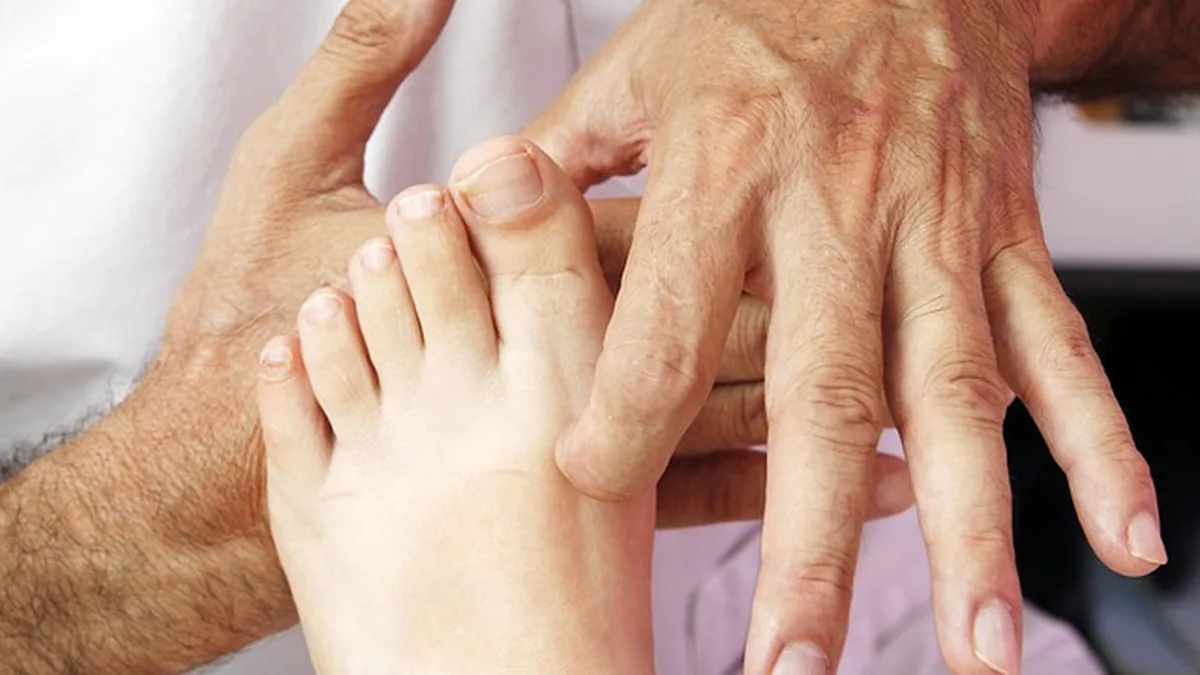
Look at a conventional sneaker from above and the widest point sits behind the toes, narrowing to a rounded point. On a bare foot the widest point is across the toes themselves. A barefoot shoe is built to that second shape: under load your toes spread outward, and a foot-shaped toe box gives them room. Our post on wide toe box benefits covers what that means in practice.
Toe box width is where most local buyers get caught out. Feet here tend to run wider than the Western average, and brands vary: Saguaro runs wide, Xero is true to size with a generous forefoot, and Vivobarefoot runs narrow — our sizing guide says to size up if you’re between sizes, and to look elsewhere if your feet are wide. The brand directory records the fit notes. An EU 42 is not a fixed interior length across brands, so measure rather than assume.
4. Arch support and the shank
Conventional shoes typically have a contoured footbed under the arch and often a stiff shank or plate through the midfoot, both of which hold the shoe’s shape and limit how much the midfoot flexes.
Barefoot shoes have neither: a flat, usually removable insole and nothing structural in the midfoot. The design assumption is that the arch is a spring made of bone, tendon and muscle, and that it works when it’s asked to.
That’s an engineering description, not a medical claim, and here we’ll be blunt: if you have foot pain, a diagnosed condition, or orthotics someone prescribed you, do not treat a shoe purchase as a treatment plan. See a podiatrist or physio. Barefoot shoes are footwear.
What is settled, and what isn’t
Less than either side claims.
That footwear changes gait mechanics — where the foot lands, how the ankle moves, how load is distributed — is the part you can watch happen. Neither camp argues about it.
What’s contested is whether those changes mean fewer injuries or better long-term foot health. The barefoot position is that modern shoes weaken feet and encourage a heavy heel strike; the counter-position is that cushioning reduces cumulative load and that most injury risk comes from training volume, not footwear. Both can point at evidence and neither has closed the case.
So we’re not going to tell you barefoot shoes prevent injuries, fix your posture or cure anything. We don’t know that, and anyone who says otherwise is selling something.
What conventional shoes are genuinely better at
This is the section most barefoot sites skip. There are real cases where a cushioned shoe is the better tool:
- Long days on concrete, before you’ve adapted. Retail, hospital, F&B and warehouse shifts mean hours on tile or concrete with no give at all. Unadapted feet in a thin sole will be sore, and that’s not a character flaw.
- Carrying heavy loads. Extra weight goes through your feet on every step. More material underfoot genuinely helps.
- Sports with fixed equipment or hard lateral demands. Football boots, cycling shoes, court shoes. If your sport has a purpose-built shoe, it usually exists for a reason.
- Protection. Worksites and kitchens, anywhere something heavy can land on your foot. A thin sole transmits everything, and safety footwear rules are not negotiable.
- You’re already comfortable. If nothing hurts and you like your shoes, there’s no problem to solve.
The reasonable middle is owning both and not wearing one shoe for everything.
The Malaysian angle
A few things shift the calculation locally.
Almost everything you walk on here is hard and flat: mall floors, tiled walkways, concrete five-foot ways. That’s the most demanding surface for unadapted feet, and the varied terrain that makes minimal shoes feel good is mostly not on your commute.
Heat and humidity cut the other way. Minimal shoes have thinner uppers and less foam, so they breathe better and hold less water after a downpour. Don’t overstate it: humid air dries nothing quickly here, and a soaked shoe left in a closed rack will still be damp the next morning — see caring for barefoot shoes in humidity.
Then there’s cost. Barefoot shoes here are mostly import-only, and the sticker price is never the final price once SST and customs processing land on top. The budget entry point is Saguaro at roughly RM 155–290 a pair, which ships in ringgit and takes code SUBIMPACT for 10% off — we’re a Saguaro affiliate, so that link earns us a commission. Premium imports run higher, and a conventional sneaker of similar quality is generally easier to find and cheaper to buy locally. That’s a real point in the conventional shoe’s favour, not a footnote.
The Bottom Line
The four differences are real and easy to check yourself: drop, stack and flexibility, toe box shape, and whether there’s support built into the midfoot. Pick up any shoe and you can identify all four in seconds.
What those differences do for you is much less certain. Whether the change is an improvement depends on your feet, your surfaces, your hours on them and how gradually you switch. That part isn’t settled, and we won’t pretend it is.
If you’re curious, start with short wear on varied ground, keep your old shoes for long concrete days, and give it months rather than weeks. If something hurts, see a professional rather than buying a different shoe.